
The UK Government has announced that VAT will be removed from domestic electricity bills from 1 October 2026, reducing the VAT rate from 5% to 0% for the current financial year.
For millions of households, this means lower electricity bills heading into winter. For electric vehicle drivers, however, it means something even more significant: charging an electric vehicle at home is about to become even cheaper.
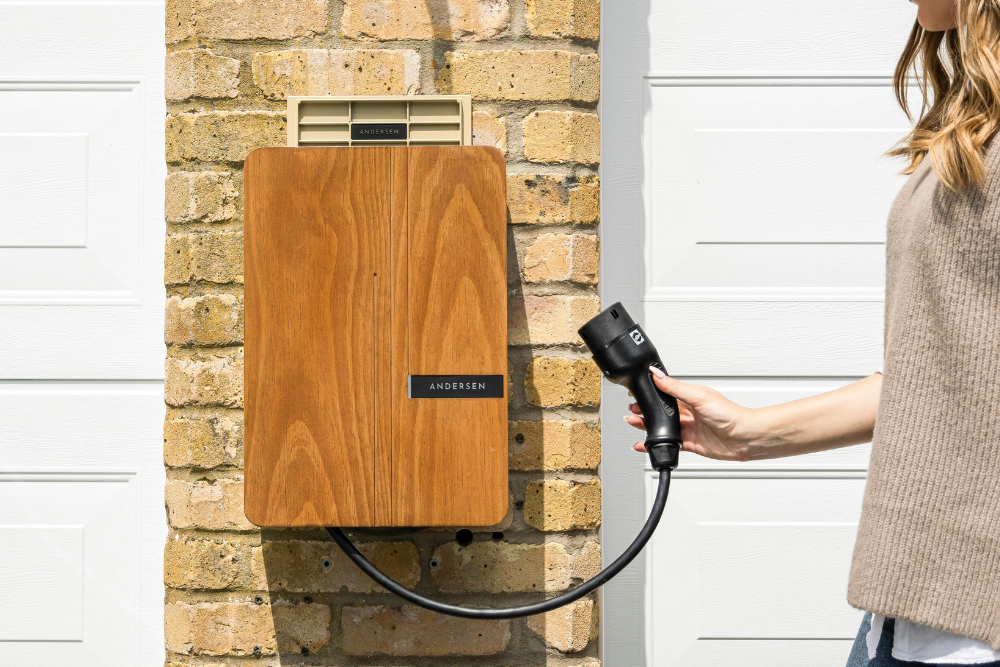
Because most EV owners charge their vehicles at home, removing VAT from domestic electricity means every home charge will cost less from 1 October 2026.
While the saving on an individual charge may only be a few pence, across an entire year of driving it can reduce your running costs even further.
Combined with low Benefit in Kind tax, Salary Sacrifice schemes and overnight EV tariffs, electric vehicles continue to be one of the most affordable ways to drive in the UK.
What Has the Government Announced?
As one of the first announcements from the new Government, led by Prime Minister Andy Burnham, VAT on domestic electricity will be reduced from 5% to 0% from 1 October 2026.
According to the Government, the measure will:
-
Remove VAT from household electricity bills.
-
Save the average household approximately £45 per year.
-
Apply before the next Ofgem price cap.
-
Be passed on by electricity suppliers, including for customers on fixed tariffs.
-
Also benefit eligible charities, residential care homes and qualifying small businesses.
The measure has been introduced to provide households with additional support during the ongoing cost-of-living pressures.
Why This Matters for Electric Vehicle Drivers
Unlike petrol or diesel cars, an electric vehicle uses electricity as its fuel. That means when electricity prices are reduced, so is the cost of driving your EV.
Most EV owners complete the majority of their charging at home, often overnight when electricity prices are already lower.
Removing VAT from electricity means:
-
Lower charging costs every time you plug in.
-
Reduced annual running costs.
-
Even greater savings compared with petrol or diesel.
-
Better value from home chargers and smart EV tariffs.
How Much Cheaper Could Home Charging Become?
The exact saving depends on:
-
Your electricity tariff.
-
How many miles you drive.
-
How often you charge at home.
-
The efficiency of your vehicle.
Although each individual charge may only save a small amount, regular charging throughout the year means those savings accumulate.
Cost Comparison Example – Home Charging July 2026 vs October 2026
This example shows how removing VAT could affect off-peak domestic electricity rates. The figures are illustrative, and suppliers may set different rates.
| Home Charging Tariff | July 2026 | October 2026 |
|---|---|---|
| Good Energy EV Tariff | 6.60p per kWh | 6.29p per kWh |
| EDF Energy Go Electric with Pod Point | 8.49p per kWh | 8.09p per kWh |
We have compared the Volkswagen ID.3:
Volkswagen ID.3 150kW Match Pro S 79kWh 5dr Auto [5 Seats]
350 miles WLTP combined range | Battery capacity: 82kWh
| Home Charging Tariff | July 2026 | October 2026 |
|---|---|---|
| Good Energy EV Tariff | 1.54p per mile | 1.47p per mile |
| Cost over 10,000 miles | £154 | £147 |
| EDF Energy Go Electric with Pod Point | 1.98p per mile | 1.89p per mile |
| Cost over 10,000 miles | £198 | £189 |
Thess example shows how removing VAT could affect off-peak charging costs. The figures are illustrative, and suppliers may set different rates.
Home Charging Was Already the Cheapest Way to Fuel Your Car
One of the biggest misconceptions surrounding electric vehicles is that they are expensive to run. In reality, home charging has long been significantly cheaper than filling a petrol or diesel vehicle. Now, with electricity becoming even cheaper, that difference increases further.
When combined with:
-
Overnight EV tariffs
-
Smart charging
-
Solar panels
-
Battery storage
-
Government electricity tax reductions
The cost per mile of driving an EV becomes increasingly difficult for petrol and diesel vehicles to compete with.
Cost Comparison – July 2026
Volkswagen ID.3 vs Volkswagen Golf
We have compared the Volkswagen ID.3 with the Volkswagen Golf Hatchback due to their similar dimensions.
| Volkswagen ID.3 | Volkswagen Golf |
|---|---|
|
Volkswagen ID.3 150kW Match Pro S 79kWh 5dr Auto [5 Seats] 350 miles WLTP combined range | Battery capacity: 82kWh |
Volkswagen Golf Hatch Life 1.5 TSI 115PS 6-Speed Manual 5 Door 52.3mpg WLTP combined |
|
Home charging with Good Energy: 1.54p per mile Home charging with EDF Energy: 1.98p per mile |
Unleaded petrol: 13.06p per mile |
| Public ultra-rapid charging, 150kW or above: 19p per mile | Motorway unleaded petrol: 14.89p per mile |
Thess example shows how removing VAT could affect off-peak charging costs. The figures are illustrative, and suppliers may set different rates.
Frequently Asked Questions
Does removing VAT from electricity make charging an EV cheaper?
Yes. From 1 October 2026, domestic electricity will no longer attract 5% VAT for the current financial year, reducing the cost of charging an electric vehicle at home.
Is home charging still cheaper than public charging?
In most cases, yes. Home charging, particularly on an overnight EV tariff, remains the cheapest way to charge an electric vehicle.
How much does it cost to charge an electric car at home?
This depends on your electricity tariff and vehicle efficiency. However, home charging typically costs significantly less than buying petrol or diesel for the same mileage, and the removal of VAT makes it even more affordable.
Will this affect EV Salary Sacrifice drivers?
Yes. Salary Sacrifice drivers still pay for the electricity used to charge their vehicles at home, so lower electricity prices reduce their overall running costs.
Will Lease Electric help me choose the right EV?
Absolutely. Lease Electric offers Business Contract Hire, Salary Sacrifice, Personal Leasing and Fleet Consultancy, helping customers compare vehicles, funding options and running costs across all leading electric vehicle manufacturers.
The figures have been sourced from RAC Fuel Watch and RAC Charge Watch. To find out more about our EV charging partner Pod Point, and the Home Charging Tariff with EDF Energy, click here. For more information regarding the Good Energy EV Tariff, click here. This tarriff was quoted using customer tarriffs, prices may vary. All information was correct on date of publication - 21.07.2026, pricing of fuel, public charging and home charging tariffs are subject to change. The full Government Announcement can be accessed online, press released published 21.07.26, click here to read.